

Health Feedback
Verifying the credibility of claims related to medical, health and life sciences.
Latest reviews
-
 Inaccurate
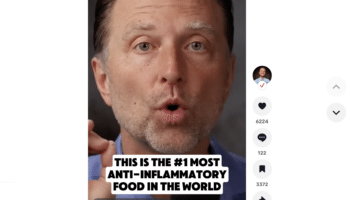
Vitamin K shot doesn’t stop stem cells from circulating or change blood thickness
Claim:
Vitamin K injection given at birth thickens the blood, prevents stem cells from circulating
Source: TikTok, X/Twitter, Daniel Pompa, Valerie Anne Smith, Social media users, 2026-05-05 -
 Unsupported
 -
 Unsupported
RFK Jr. spreads unfounded conspiracy theory that Lyme and RSV were engineered
Claim:
Lyme disease and RSV were engineered in gain-of-function experiments
Source: Fox News, Robert F. Kennedy Jr., 2026-08-02 -
 Unsupported
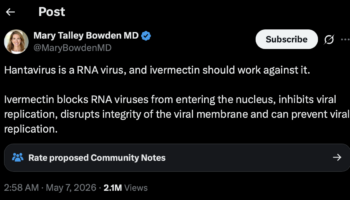
Doctor misleads with post claiming ivermectin works against hantavirus
Claim:
Ivermectin “should work” against hantavirus because it blocks “RNA viruses from entering the nucleus [and] inhibits viral replication”
Source: X/Twitter, Mary Talley Bowden, 2026-05-07 -
 Inaccurate
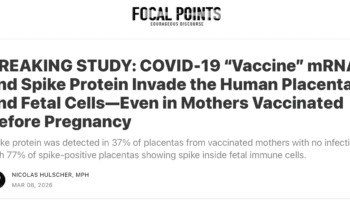
German placenta study didn’t show COVID-19 mRNA vaccines are harmful
Claim:
Vaccine-derived spike protein is harmful, its presence in placenta linked to rise in infant mortality
Source: X/Twitter, The Focal Points, Nicolas Hulscher, 2026-03-08 -
 Unsupported
Keto diet isn’t cure for schizophrenia, contrary to US health secretary Robert F. Kennedy Jr.’s claim
Claim:
Schizophrenia can be cured with the keto diet
Source: Twitter/X, Robert F. Kennedy Jr., 2026-02-04
Newsletter subscription
Get scientists’ reviews and articles delivered directly to your inbox
Insights
-
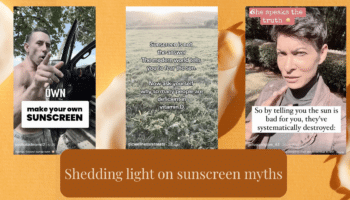
Shedding light on sunscreen myths
Sunscreen protects us from the Sun’s harmful UV radiation. But it’s often vilified on social media through false claims that it’s unnecessary or harmful to humans. We debunk some of the most prevalent misinformation narratives in this Insight article.
-
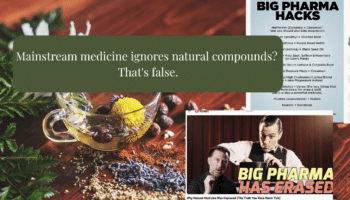
Wellness influencers claim mainstream medicine ignores natural remedies. They’re wrong
Social media posts promoting natural health products propagate the narrative that mainstream medicine disregards natural cures for the sake of profit. But this narrative is flawed and can lead to an incorrect assessment of the risks and benefits of natural health products. We explain in this Insight article.
-
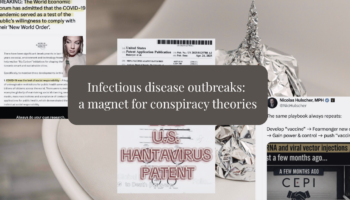
Infectious disease outbreaks: a magnet for conspiracy theories
Highly mediatized disease outbreaks like COVID-19 and hantavirus are invariably plagued by conspiracy theories alleging that they are a hoax or planned. Why are these conspiracy theories so appealing and what makes people vulnerable to them? We discuss these topics in detail in this Insight article.