Unsupported

Topics:
Latest in
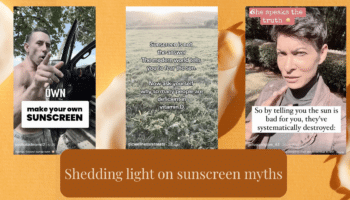
Sunscreen protects us from the Sun’s harmful UV radiation. But it’s often vilified on social media through false claims that it’s unnecessary or harmful to humans. We debunk some of the most prevalent misinformation narratives in this Insight article.

Claim:
Lyme disease and RSV were engineered in gain-of-function experiments
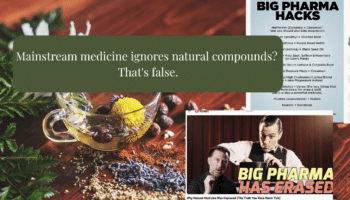
Social media posts promoting natural health products propagate the narrative that mainstream medicine disregards natural cures for the sake of profit. But this narrative is flawed and can lead to an incorrect assessment of the risks and benefits of natural health products. We explain in this Insight article.

Highly mediatized disease outbreaks like COVID-19 and hantavirus are invariably plagued by conspiracy theories alleging that they are a hoax or planned. Why are these conspiracy theories so appealing and what makes people vulnerable to them? We discuss these topics in detail in this Insight article.
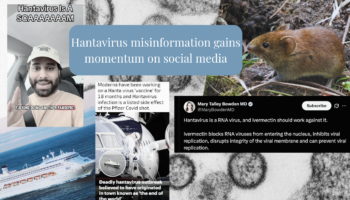
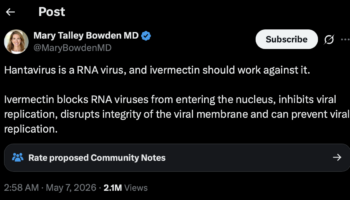
The MV Hondius hantavirus outbreak triggered a wave of conspiracy theories and misinformation about ivermectin and vaccines, which were popular during the pandemic.
Claim:
Ivermectin “should work” against hantavirus because it blocks “RNA viruses from entering the nucleus [and] inhibits viral replication”
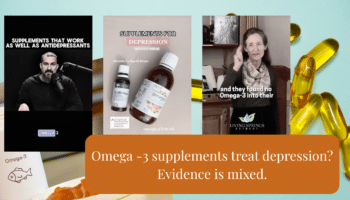
Health influencers suggest omega-3 supplementation can treat depression or even replace antidepressant medication. But such claims put vulnerable people at risk. In truth, the scientific evidence behind the effectiveness of omega-3 supplementation for depression is more uncertain than these social media posts let on. We explain in this Insight article.
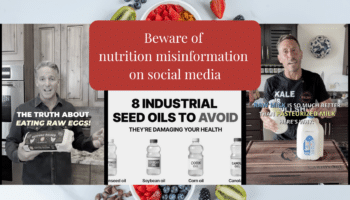
Harmful nutrition misinformation circulates widely online. From the raw food movement to the carnivore diet, we look at how these trends exploit various psychological levers to gain popularity in spite of the lack of scientific evidence to support them.
Claim:
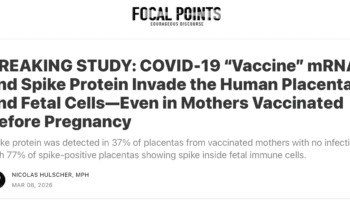
Vaccine-derived spike protein is harmful, its presence in placenta linked to rise in infant mortality